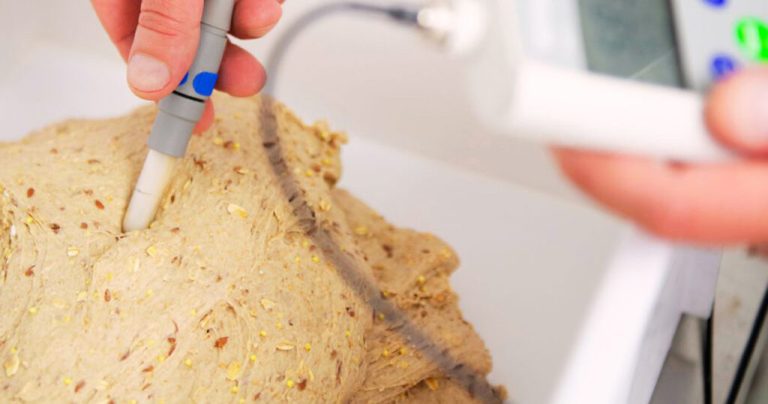


The term ‘ancient grains’, which were grown on a small scale and were used primarily to feed the family
Contents:
- From ancient grains to modern grains
- The rediscovery of authentic flavour
- A journey through biodiversity, sustainability and tradition
- 50 Ancient Grains, the mix for light and easily digestible bread
From ancient grains to modern grains
The term ‘ancient cereals’ – which were grown on a small scale and used primarily to feed the family, livestock or used as a medium of exchange, stems from the fact that, over time, these cereals were abandoned in favour of varieties that were easier to grow and had higher yields, making them suitable for industrial production.
Whilst in the past wheat was subject to a selection process aimed at ensuring certain very specific characteristics, such as flavour and productivity, the industrialisation and mechanisation of agriculture have encouraged the production of a higher-performing, high-yield variety of wheat with a higher gluten content, commonly known as: “modern wheat”.
The rediscovery of authentic flavour
Today, there is a prevailing desire to return to our roots, rediscovering those cereals that had been forgotten over time and which formed part of our ancestors’ diet. This demonstrates that our relationship with food is changing. Over the last few years, the search for authentic and genuine flavour has led to a resurgence in the production of baked goods using flours made from ancient grains, doing justice to their outstanding nutritional qualities.
At this point, you’re probably wondering what it is that makes ancient grains so special. They’re valuable allies for our health as they’re rich in:
- proteins;
- mineral salts;
- fibres;
- vitamins;
- antioxidants;
A journey through biodiversity, sustainability and tradition
In addition to their nutritional value, one of the reasons for the revival of ancient cereals is undoubtedly the fact that they are able to thrive without the use of fertilisers, pesticides or extensive irrigation systems. The meticulous care taken to preserve their natural characteristics and biodiversity, the revival of a long-abandoned way of working, and the revitalisation of farming areas – whether in the mountains or in remote locations – are all approaches that form fundamental aspects of the re-evaluation of a raw material that has long been undervalued.
They are well-suited to harsh environmental conditions and are usually grown in areas considered marginal, where modern varieties would struggle to survive. Ancient grains are the result of meticulous cultivation carried out by the expert hands of farmers and businesses who choose to transform this ‘gold’ that the earth offers us; thanks to their perseverance, it is given a new lease of life.
50 Ancient Grains, the mix for light and easily digestible bread
If you’re interested in finding out more about the properties, properties and flavour of ancient grains with our CEREALI ANTICHI 50 concentrated mix, you can enjoy making and savouring a very light and easily digestible bread, thanks to the high fibre content provided by the three types of spelt used – einkorn, emmer and spelt – and the wholemeal rye provide!