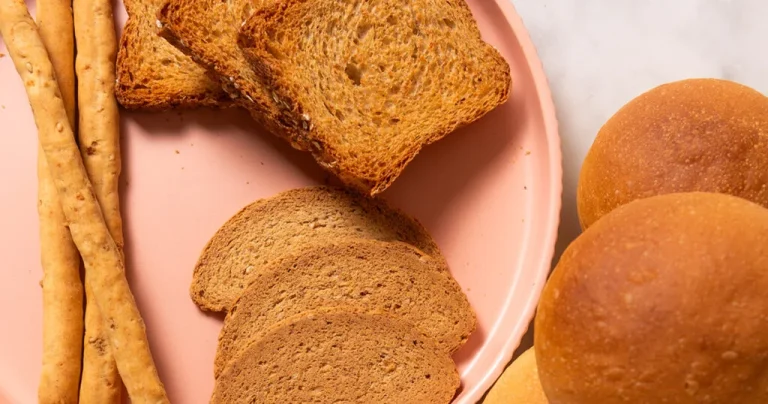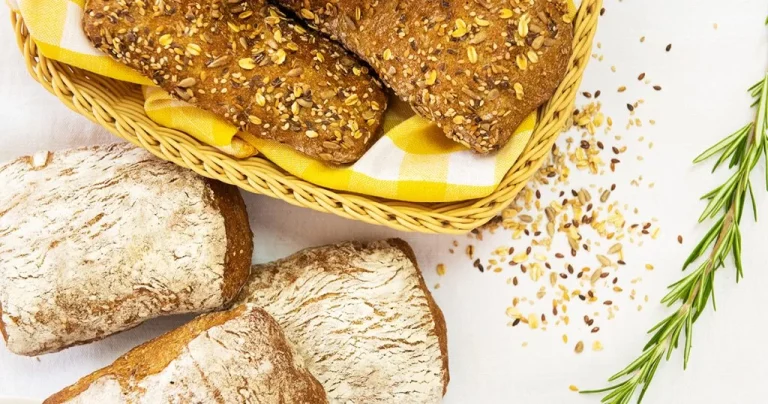


Maize can be used to make tasty, fragrant baked goods and breads that are eye-catching and out of the ordinary – incredible, isn’t it?
Contents:
- A yellow ear of corn with many distinctive features
- Between mythology and history, a look at: the origins of maize
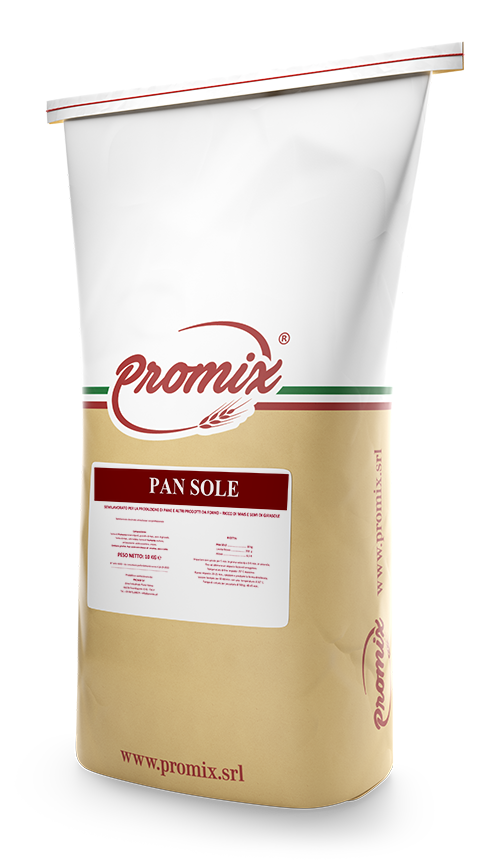
- Pan Sole, the ready-to-bake product that’s just right for you!
Introduction
Maize can be used to make tasty, fragrant baked goods and breads that are eye-catching and out of the ordinary – incredible, isn’t it?
As we know, wheat is usually better suited to bread-making, but maize has its merits too.
Maize, scientifically known as Zea mays, is a cereal belonging to the Poaceae family, characterised by specific features that distinguish it from all other cereals.
First, however, it is worth clarifying which part is edible for humans. Let us start from the premise that some terms used in everyday language do not adhere to correct botanical terminology. In fact, what is commonly – and erroneously – referred to as corn on the cob It is actually an ear of corn and consists of edible seeds – small golden nuggets.
A yellow ear of corn with many distinctive features
And it is precisely from these that maize is processed into flour and subsequently used in the preparation of various dishes.
Maize flour plays an important role in Italian culinary tradition; indeed, it is used in the preparation of polenta, in bread-making and as an ingredient in certain baked goods.
This type of flour gives the dough a slightly sweet flavour that sets it apart from other cereals, whilst also lending a crispness to the bread’s crust and a crumbly texture to baked goods, not to mention its sunny yellow colour, which makes the products visually appealing.
As well as being used in a wide variety of dishes, maize has certain nutritional properties that make it a special food:
- It primarily serves an energy-providing nutritional function; in fact, the macronutrients present in the greatest quantities are carbohydrates;
- it is rich in starch and fibre;
- it has a low lipid content;
- it is cholesterol-free;
- it contains a fair amount of potassium;
- Given that it is a cereal, it contains a good amount of iron.
Moreover, maize has rather ancient origins…
Between mythology and history, a look at: the origins of maize
As well as being used in cooking for a wide variety of dishes, it is worth noting that this cereal dates back some ten thousand years, when the Maya first discovered it.
Speaking of its origins, here’s an interesting fact about the Mayan tradition.
Maize was of great importance, as it was used in rituals and offerings made specifically to the god of maize, known as Yam kax.
This god took the form of a young man and was depicted with a distinctive feature: his head was adorned with an ear of corn, precisely to symbolise the cereal.
And this is precisely where the name ‘granturco’ comes from. In everyday speech in our country, and in some local dialects, maize is mistakenly referred to by this name, alluding to the fact that anything originating from colonial countries used to be called ‘Turco’.
To gain a better understanding of the importance of maize in our country, below are some historical events that have been significant for its commercialisation in our region:
- Maize was discovered by Christopher Columbus in the 15th century. During his voyage to discover the Americas, he came across this cereal and, realising its importance, decided to export it and sell it in Europe upon his return;
- maize had promising production potential, given that yields were much higher than those of traditional cereals;
- Farmers began to grow it, making it a plentiful and inexpensive food source for both farmers and the lower social classes.
Nowadays, maize is increasingly used in bread-making. When used thoughtfully and in the right proportions, it lends some truly interesting characteristics to the products it is used in.
Would you like to find out more about semi-finished products made from maize flour?
Search for the keyword: MAIS, by clicking on the magnifying glass icon in the menu at the top of our website; this will allow you to discover a wide range of products containing it.